


There is something fascinating to me about the rise of hook-up culture in modernity. The long, drawn-out era of courtship, community selection of mate ship, and sex after marriage has faded out of fashion.
In college I took an anthropology class where I learnt about the cultural protocols that aboriginal groups practiced, in which structurally embedded forms of limiting contact through male/female separation, totem practices that distinguished appropriate partners, and abstinence before and after rituals restrained the sexual possibilities within the culture.
Perhaps the phrase “restrained the sexual possibilities,” is a reflection of my own conditioning in a culture that has both made sex taboo and perverted it in a way that has enlarged our imaginations to obsess over its significance.
Sex is indeed a potent and powerful practice, one that instigates life, facilitates connection, and drives billions of dollars in industries promising the possibility of becoming more sexually attractive.
I am a proponent of sex, and have supported sexual encounters in my community ecosystem (more on that another day), and I am troubled by the ways we have lost any kind of system of making sacred this act that can acknowledge the depth in which sex cords our relations, creates significant shifts within ourselves, and might require the wielding of eldership, community ritual, and containment within a cultural context.
Even more so, I feel that the popularity of hook-up culture has made us blind to the subtleties in relationality that lead towards kinship. In seeking the hook-up, we indulge in the headlines of the other and formulate grandiose narratives that match our appetites all while the Soul in the other which moves at the pace of geological time1 is unable to be known because the hook-up overrides the yearlong reality that trust requires, when we rush to indulge in our intrigue.
It is a sour time for those who have questions about the marriage arrangements of modernity and feel the loss of ancient cultural wisdom that could help steer these waters of love and attraction. Yet still, what hook-up culture tells me, is that we are hungry for relationship. The hook-up is not to be frowned upon, to be thrown out, to be dismissed or shamed. It is to be wondered with, recognized as a desire to be seen, a thirst for depth in relating, and a lust for building a fire of longing for belonging, and the seeking of presence, rest, and play.
Yet I don’t know if the arc of modern-day hook-up culture satisfies the truth of these longings, with its drive to seek out refuge in the body comfort of another’s human form. What is chased after, is in the dimension of the spiritual, the Soul.
The fire of longing is not of flesh but of purpose.
What would it look like to see who we pursue as lovers as what our spirits have once known as kin? Bred of the same soils, companions to the mystery of our destiny, here to hold us in the rituals of life and the transformation of our Soul calling itself into its initiation of adulthood.
The expectations of what are hidden beneath the “casualness” of the hook-up reveals that our intention to bind are related to fulfilling the greatest commitments we hope to make in our lifetimes. Children, home, family, belonging, purpose, and worth. When we have lost faith in the mystery in which these pieces might reveal themselves, the hook-up offers a caffeine boost towards making good progress on these basics of humanhood that we’ve been robbed of.
I feel grief with the ways the hook-up have filled the void that the knowing of kinship once offered. I have experienced the transformation of relations I’ve hooked up with into kin. And these experiences have helped me see that attraction in modernity is a trickster, one that can be partnered with or made a fool of.
The attraction we felt, the desire to deepen, and the hook-up looking like the only way towards closeness, was our attempt to wayfind towards radical belonging with relations beyond what the nuclear family system allows.
When there has been such a loss of cultural protocol providing us with a structure to belong to one another outside of hierarchical relationship norms2, hooking up attempts to bridge our isolation with the promise of sharing a bed. We have not found ways to sleep side by side without the sexual implications of what that might mean or the relational steps it takes to feel safety in that place of much needed human to human warming.
These roles of kinship, where our indigenous ways of being siblings, sleeping side by side, companions to the mundanity of life have been severed. In family systems uprooted from the village, our sibling relationships are rife with conflict and irreparable dispute. We live across vast oceans from each other, physically or spiritually. Kinship is not a well-known practice, and yet it is deep within the memory of our humanness.
What would it look like to witness our attraction, our sexual intrigue, through the lens of seeking out kin? How might that soften and slow our expectations of a perfect, box ticking, lover into the loving desire to witness the steady changing growth of a creature transforming through the seasons?
The power of claiming the authoring of kinship means rerouting our energy towards the quiet meandering journey of the sacred mundanity in the everyday. The hook-up activates the instantaneous closeness fueled by the hormonal whirlwind of attachment technologies, often leaving us shattered by the promise of what could have been.
Was that the heartbreak of having been deeply loved? Or the heartbreak of the brokenness of a culture that leaves little room for the closeness of a beloved that claims no title to our lives but merely the presence of having witnessed our journey’s winding pathway into a deeper form of self-love?
What kinship offers is the cultivation of our Soul path through the companionship of mornings over coffee together, witnessing conflicts that wreck our entire sense of security, tender hugs that lead nowhere sexual but remind us of the vulnerable bodies that hold together this vibrant and painful living in visceral beholding to the divine.
I feel only respect and love for the hook-up as the societal rite of passage that helped me reckon with the emptiness that these fantasies of modernity promise in withholding us from the search of our village birthright. As I awaken to the deeper wisdom and insight that attraction points to, I welcome it as the hand of the goddess bringing me back into the life we’ve been destined for where the rituals our kin call us into become the fodder for our passion to live a purposeful life.
This purpose, in relationship ecology, is only felt in our connection to being of service to the whole. It is in deeply fulfilling our role within the ecosystem, where the satisfaction of wholeness is understood.
Is kinship not our return to wholeness? Is attraction not seeing in the other a reflection of the exiled parts of ourselves? The parts that were once dismissed, suppressed, unseen, and unacknowledged. That this other we feel so drawn to represents these parts so freely in their expression of self.
The light we witness in those we feel attraction for might tempt us to grasp hold onto an identity they represent and claim it for our wholeness. We cast our nets of promise to the other in hopes of capturing this light that had been denied to our children within.
Yet what kinship offers is an opportunity to expand our fabric of self to a collection of relations. To enjoy what is evoked in the attraction might just be all that is needed to seed a connection rooted in spacious unfolding.
The subtle sensual nature of the land brings us pleasure when we take root and slow things down. The thunderstorm requires a reframe of beauty to appreciate its potency and power. Our sicknesses and injuries are scorned until we find messages hidden between the pain.
The hook-up promises radical, throttling, hormonal adrenaline that serves up the experience of falling in love.
The kind of love the land asks of us, requires patience, quietude, humility, and reverence. It is the land which knows how to meet us in our darkest grief, our most painful and shameful thoughts, receiving the literal excrement and decay of our bodies.
I believe that I am called into kinship ties to learn to love like the land. I am being asked to be a brother, a sister, an auntie, an uncle, a father, a mother, a child and a grandparent as humanity once knew whole family systems, village life, and belonging not out of Capital success but in a grounded knowing that we belong to this world and the world belongs to us. In belonging, love circulates, and we can trust in the return of this love merely because we are.
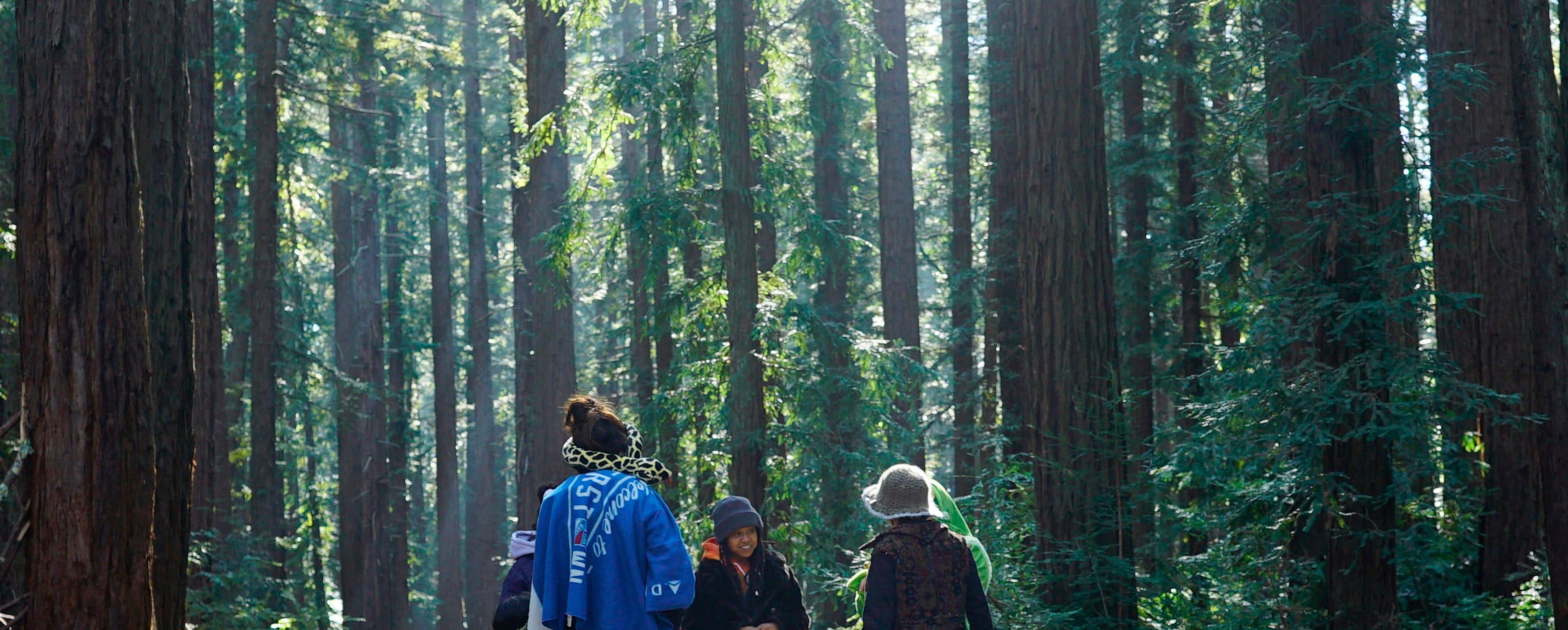
As kin harm and oppress kin in these times, what we are being called into is learning how to show up in a deeper practice and recognition of the work of kinship. That attraction as a pathway points to the places where we long to belong to ourselves and the world, as relative, as remembrance, as a w(holy) initiative in exploring relationship with the curiosity and patience needed to renew our disconnection to relating with the depth of the land.
More on healing our wounds in non-blood familial relations soon… I am headed on an ancestral trip mixing four families of spirit kin with blood kin and there will be much reflection from that I hope to be sharing soon!

Rishi and I will be offering Relationship Ecology practice groups up until April this year, with an update as to what’s next after that. It’s going to be a pretty awesome opportunity to navigate your *live* relationship dynamics in community with a relationship ecology lens, so if I were you, I would sign up as soon as you can!
Francis Weller writes in the Wild Edge of Sorrow about the time he met Clarke Berry who he later apprenticed with who placed a rock on the table and told Francis, “this is my clock. I operate at geologic speed. And if you are going to work with the soul, you need to learn this rhythm, because this is how the soul moves.”
In our classical relationship norms of these times, the romantic partner takes precedence in our lives. We also do not have kinship models or expectations to uplift friendships beyond the title of “best friend.”

The moments that land are concrete: sleeping side by side without sexual charge, coffee in the morning, the hormonal crash after intensity. well said and authentic
I really like your writing and your consistent orientation towards partnership and kin